Hypothyroidism can be caused by a variety of things. In this country, diet is the main culprit. Our food supply is so deficient in nutrients and loaded with anti-nutrients that it’s really no surprise we are experiencing health problems in epidemic proportions. Vegetable oils (polyunsaturated fats) are a huge contributor to hypothyroidism, obesity, cardio vascular disease and other health problems. These are man-made foods that have only been around since the early 1900s, with soy oil becoming the number one cooking oil by the 1950s. Before then, beef tallow, lard, olive oil and tropical oils were in use, and heart disease, hypothyroidism, obesity, diabetes and other diseases were but a fraction of the incidence they are today.
Read the rest HERE.
Category: Nutrition (Page 36 of 45)
For decades we have been taught that fat is bad for us, carbohydrates are good, and that the key to a healthy weight is eating less and exercising more. Yet with more and more people acting on this advice, we have seen unprecedented epidemics of obesity and diabetes. With seven years of research, Taubes argues persuasively that the problem lies in refined carbohydrates (white flour, sugar, easily digested starches) ?via their dramatic effect on insulin, the hormone that regulates fat accumulation?and that the key to good health is the kind of calories we take in, not the numbers. There are good calories, and bad ones. Taubes traces how the common assumption that carbohydrates are fattening was abandoned in the 1960’s when fat and cholesterol were blamed for heart disease and then?wrongly?were seen as the causes of a host of other maladies, including cancer. He shows us how these unproven hypotheses were emphatically embraced by authorities in nutrition, public health, and clinical medicine, in spite of how well-conceived clinical trials have consistently refuted them. He also documents the dietary trials of carbohydrate-restriction, which consistently show that the fewer carbohydrates we consume, the leaner we will be.
Good Calories Bad Calories is the end of the debate about the foods we consume and their effects on us.
In a past Q & A column I respond to some hilarious comments?made by a man defending vegetarians.? Here is one of his comments and my response.??
K:? And Vittoni!! for your obviously dumb comment on Asian looks see who all I found to be a vegans- Sir Isaac Newton, Albert Einstein, Leo Tolstoy, Madonna, Paul McCartney, Socrates, Pythagoras, Mahatma Ghandi, H.G. Wells, Ralph Waldo Emerson, Plato, Leonardo Da Vinci, William Shakespeare, Buddha, Voltaire, Charles Darwin to name but a few.
BE:? I would love to see the proof that these people are all vegans, or even vegetarians. Do you really think Buddha got to be such a fat ass from vegetables? Although, maybe he went against the grain of Asian culture and ate large quantities of soy. This would have ensured his obesity, because of the detrimental effects it has on the thyroid. And by the way, Madonna has eaten plenty of meat, and has had her share of protein…if you know what I mean.
Read the rest Here.
Bullz-Eye.com fitness editor Mike Furci discusses the dreaded “man boobs” and the importance of tempo in your workouts in his latest edition of “Health and Fitness Q&A.”
 Men’s Fitness.com posted an interesting article about common ingredients in meals that surprisingly come jammed-packed with calories.
DROWNING FOOD IN OIL
Yes, it’s heart healthy, but also high in calories. Sautéed vegetables only need to be misted with oil—not swimming in it. Buy an empty spray bottle and fill it with olive oil. Then spray your food and the pan lightly before cooking.
USING REAL SUGAR
Switch to artificial sweeteners; some of them can even be used for baking. If you can’t stand the aftertaste, try combining two different sweeteners—this blending helps impart more sweetness and less artificial taste, says Stokes.
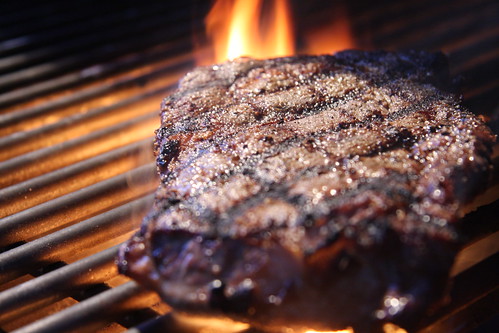
COOKING TOO MUCH MEAT
No substitute can emulate the taste of a steak, but if you’re making a meal like chili or tacos, swap some of the ground beef for less fatty soy crumbles or tofu, suggests Stokes. Not a fan of soy? Try mixing ground beef with black beans, diced cherries, or any other fresh vegetable or fruit.
USING FULL-FAT CHEESE
Not even our expert would touch the fat-free stuff, but Stokes does recommend switching to a reduced-fat version. “It adds flavor, melts well, and retains the normal properties of cheese,” he says. Cabot light cheddar, for one, tastes almost identical to the full-fat stuff.
Oil is an interesting note. We all hear about how Olive Oil is great for you, but over-doing it obviously has its disadvantages.
FOLLOW US!

CATEGORIES
© 2026 BottomLineFitness.com
Theme by Anders Noren — Up ↑