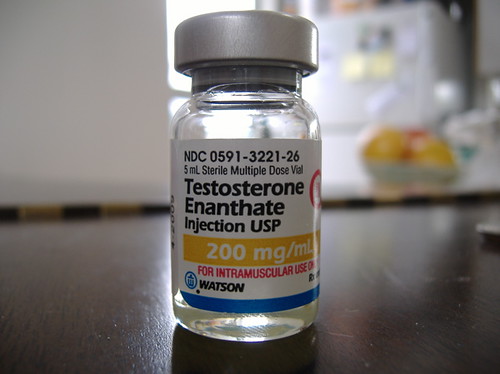
 Low testosterone levels are associated with a greater risk of heart attacks, diabetes, abdominal fat deposition and abnormal blood lipid levels. Cytokins, which cause inflammation in the arteries, are the latest suspected cause of heart disease. British researchers suggest testosterone suppresses cytokins and also boosts the immune system, thereby preventing heart disease. (J Endocrinol, 178: 373-380, 2003)
Category: Supplements (Page 9 of 17)
I this installment of Did you know… I cover an array of topics beginning with the following:
Did you know…
…creatine is perhaps the most researched supplement on the planet? Yet new data on the benefits of supplementing with this incredible substance is still mounting. Canadian researchers compared the changes in insulin-like growth factor-1 (IGF-1) amounts in two groups of subjects. All the subjects performed at least 30 minutes of structured physical activity three to five times per week for eight weeks. The subjects were randomly assigned to one of two groups: one supplementing with creatine, the other, an isocaloric placeo. Muscle biopsies were taken before and after the training period and analyzed for IGF-1 content. The creatine group had a 24% higher level of IGF-1. The creatine group also had a 23% higher increase in type II muscle fibers. These findings were independent of dietary guidelines. (Int J Sport Nutr Exerc Metab, 2008; 18(4))
What does this mean for the average Joe? It means if you supplement with creatine, you?ll not only get the well known ?volumizing? effect, but more muscle fibers.
Are taking multivitamins necessary? do they work? How does a vegan get leaner? Should they be eating soy? Are testosterone boosters safe and effective? Which ones should I take and what’s the best way to take them?
Below is a sample of the recent Q&A column on www.bullz-eye.com.
Q:Mike,
I?m currently taking a multivitamin because I?m trying to change my health for the better. Is this a good choice? Should I be taking other supplements?
A:Sergio, Short answer No. Multi vitamins are a waste because the absorption is so poor. Some vitamins and minerals compete with one another making absorption even worse.
What I take: Vitamin D (most important) 10,000iu per day, Vitamin A once per week 5000iu, CoQ10 100mg/day, Omega 3 fish oil, CLA, and cook with coconut and olive oils.
I recommend reading my article “Daily consumption for optimum health”, and below are a few other websites to consult.
vitamindcouncil.org
westonaprice.org
vitamin-d-max.com (this is where I purchase vitamin D)
vitacost.com (this is where I get omega 3, CLA and CoQ10.)
therabiotics.net (this is where I get my probiotics)
Here’s an interesting video message by Dr. Mercola discussing the negative effects of?consuming soy products.? It has been my belief for a very long time that soy should be avoided, period.? The only forms that are permissible in my, and many other expert opinions, are the fermented varieties; miso, tempeh, and soy sauce.? This does not mean it’s OK to eat these foods as “food sources”.? Even in the Asian communities?miso, tempeh and soy sauce?are only used as condiments.
And if you are a Bullz-eye.com reader who has an infant or a child, do not, I repeat DO NOT allow them to consume any soy what-so-ever.? If you want your kids to have physical and mental developmental problems, feed them soy.? ?
Vitamin B12 is known as the ?energy vitamin,? and it is essential for many critical functions in your body, including energy production, supporting your immune system, and helping to regulate the formation of red blood cells. Recent studies from the US Framingham trial show that one in four adults in the US are deficient in this vitally important nutrient and nearly half of the population has suboptimal blood levels.
Bioavailable (absorbable) Vitamin B12 is present only in animal sources of food, which is one of the many reasons to stay away from a strict vegetarian or a vegan diet. In India, which is primarily a vegetarian based culture, current studies show about 80% of the adults are deficient in vitamin B12. But vegetarians are not the only ones at risk.
The older you get the more likely you are to have a vitamin B12 deficiency. The two ways that you become deficient in vitamin B12 are from not getting enough in your diet and from losing the ability to absorb it.
The older you get the more your digestive system breaks down, especially if you have been following the standard American diet. Specifically the lining of your stomach gradually loses its ability to produce hydrochloric acid which releases vitamin B 12 from your food. The use of antacids or anti ulcer drugs will also lower your stomach acid secretion and decrease your ability to absorb vitamin B 12. Infection with Helicobactor pylori, a common contributor to stomach ulcers, can also result in vitamin B12 deficiency.
However the main cause of vitamin B 12 deficiency is a term researchers call food-cobalamin malabsorption syndrome. Cobalamin is the scientific term for vitamin B12. This typically results when your stomach lining loses its ability to produce intrinsic factor which is a protein that binds to vitamin B12 and allows your body to absorb it at the end of your small intestine.
Mercola.com
FOLLOW US!

CATEGORIES
© 2026 BottomLineFitness.com
Theme by Anders Noren — Up ↑