Category: Anti-Aging (Page 5 of 21)

Vitamin D anticancer research project

Vitamin D3, which is technically a prehormone, has a whole host of benefits. This invaluable substance has a role in preventing or treating many diseases including cancer. Below you’ll find a letter I received as being a participant in a Vitamin D study, the results of which were published in the International Journal of Cancer Research and Treatment

GrassrootsHealth New Research Publication in the Anticancer Research Journal, 2/21/2011
Dear Michael,

Congratulations and thanks to absolutely everyone who has participated in and supported this project! According to one of our panel members, Dr. Anthony Norman:

“This paper provides a long awaited insight into a dose-response relationship between orally administered vitamin D3 and the resulting levels of serum 25(OH)D in over 3600 citizens. The results will allow a new definition of high vitamin D dose safety and reduce concerns about toxicity. This is a landmark contribution in the vitamin D nutrition field!”
Anthony Norman
Distinguished Professor of Biochemistry & Biomedical Sciences, Emeritus
University of California Riverside

Key findings:

There were 3667 people’s first test data reported on

No suggestions of toxicity were reported even up to intakes as high as 40,000 IU/day (not a recommended amount, however)

It’s going to take about 9600 IU/day to get 97.5% (almost everyone) to the 40 ng/ml level. Individual variations however range from 0 to over 50,000 IU/day!

Testing is necessary to determine what the starting serum level is and how to adjust intake

It took 3 tests (1 year) to determine the optimal dose for each individual

The NEW rule of thumb for dosing will be changed. We’ll publish a chart for all very shortly. Currently, it is stated that you can increase the serum level by 10 ng/ml with 1000 IU/day. Per our research, this is true only when starting at about 10 ng/ml. If you want to go from 50 to 60 ng/ml, it will take an additional 2000 IU/day (i.e., the rise is only 5 ng/ml for each 1000 IU/day).

Please visit our website, GrassrootsHealth and listen to the interviews with the study’s authors, Dr. Cedric Garland and Dr. Robert Heaney. They both speak to the significance to public health of this study.

Another key item that I am very aware of is the public’s readiness to ‘take charge’ of their own health. With this view and the information to make it happen, we are bound to see some very exciting things with own health!

The research article is ‘open access’ so that everyone can download and read it! Please do so here: GrassrootsHealth Research Article

Again, very, very many thanks to all of you for your participation and support. You are helping change the face of public health! We CAN move to a much more ‘preventive’ model of healthcare. Please let me know at any time how we can best help.

We do need your ongoing financial support as well, to keep ‘spreading the word’. Please consider a donation to Prevent Vitamin D Deficiency for our future health.

Onwards!

Carole Baggerly

Director, GrassrootsHealth
carole@grassrootshealth.org
5 signs your memory loss is not serious

It’s natural to feel nervous when you forget something, knowing that Alzheimer’s disease now affects 5.3 million Americans. But a memory slip doesn’t always mean the worst. According to KPHO, the following five situations point toward normal, age-related memory loss.

1. Lapses Don’t Interfere With Everyday Life

Slowed recall of information from time to time is normal — erverybody forgets stuff. What’s not normal is when memory impairment interferes with your ability to get through the day.

2. You See an Improvement After ‘Brain Training’

Dementia is not a problem of retrieving old memories so much as it is is an inability to form new ones. If you can still learn new things, you’re still forming new memories.

3. You’ve Just Started A New Medication

Drug side effects are one of the more common causes of memory trouble.

4. Nobody Else Seems To Notice Anything’s Amiss

Usually, there’s a lot of family friction around the kind of memory loss that predates a diagnosis — arguments over who neglected to do something, missed appointments, or forgotten messages.

5. You’re Forgetful When Stressed, Sleep Deprived or Multitasking

A stressed brain is not the same thing as a demented brain.

For the entire article go toKPHO.com

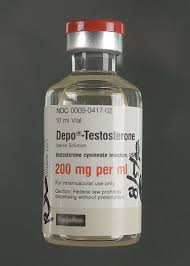
Low testosterone levels hinder your health.


low testosterone levels put men at risk for cardiovascular disease, diabetes and early death?? One study shows that testosterone treatment reduces LDL cholesterol and increases HDL cholesterol.? Another study that looked at the cause of death in almost 2000 men aged 20 to 79 years.? The men with low testosterone at the start of the study had a 2.5 times greater risk of dying during the next ten years compared with men with higher testosterone levels.? These studies, and more, will be presented at The Endocrine Society’s annual meeting, in San Francisco, suggest that testosterone therapy has several positive effects.
(Vitacost.com Daily Health Tip; June, 2008)

Having trouble sleeping, try wool

You can have the healthiest lifestyle, but if you’re not getting enough sleep, over time you’re setting yourself up for disaster. Sleep deprivation can cause depression, increased risk of diabetes, weight gain, heart disease, head aches, aching muscles, confusion, and memory lapses or loss just to name a few.

If you are having sleep problems, or you simply want to improve the quality and quantity of your sleep, there are many things you can do, including:

* Go to bed around the same time each night, ideally around 10 PM.
* Avoid snacking just before bedtime, particularly grains and sugars.
* Keep the temperature in your bedroom no higher than 70 degrees F (ideally between 60-68 degrees F.
* Eat a high-protein snack several hours before bed. This can provide the amino acid L-tryptophan, a precursor to melatonin and serotonin.
* Avoid caffeine as much as possible, especially in the PM.
* Make sure you exercise regularly, but not near bedtime.

There is one more thing however, that has been shown in scientific studies to improve your sleep. Wool has been proven to outperform both synthetics and down. Dramatic results demonstrated that wool bedding such as comforters and pillows:

* Breathes more naturally than any comparable synthetics, so you reduce the thermal stress on your body AND avoid creating a hospitable environment for dust mites.
* Increases the length of your REM sleep meaning you benefit more deeply from this vitally important stage of sleep every night.
* Helps create the most optimal body temperature the body gets to a comfortable sleeping temperature more quickly and stays there longer.

And, if that weren’t enough, recent studies have shown that the resting heart rate of people who sleep under wool versus those who use synthetics is 20 beats per minute less creating a more restorative sleep experience from beginning to end.

Mercola.com

Hormones and heart health

If you had to rank the most important factors for a healthy heart, hormones would likely show up last on your list. But the truth is that these chemical messengers have a strong influence on just about every single one of your body’s delicate systems… and your cardiovascular system is no exception.

You may not realize it, but your blood vessels are lined with estrogen receptors, which play a key role in regulating healthy blood pressure, cholesterol and normal clot formation in both men and women.1 This may be one reason why pre-menopausal women enjoy more optimal heart health statistics than their male and postmenopausal counterparts—and why heart health becomes an important focus for women as they grow older.

Read The full article

« Older posts Newer posts »