Category: Supplements (Page 4 of 17)

Benefits of Vitamin A

Vitamin A can be tricky. Take too much and you may increase your risk of osteoporosis, fatigue, and other conditions. Take too little and you may experience hair loss or even night blindness. This means, the key to taking vitamin A is balance whether it’s taken in supplement form or obtained through foods.

The Recommended Dietary Allowance (RDA) level for adults age 19 and older is 770 mcg/day (2,600 units). The maximum UL (Tolerable Upper Intake Levels) is 3,000 mcg/day (10,000 units). Taking the right amount of vitamin A can help with vision, immune, and cell growth support. Vitamin A is also effective for the treatment and prevention of deficiency in people with diabetes, over-active thyroid, cystic fibrosis, liver disease, protein deficiency, fever, and an inherited disorder called abetalipoproteinemia. This condition prevents a person from fully absorbing dietary fats through the intestines.

Vitamin A is possibly effective for:

•Improving recovery from laser eye surgery
•Preventing breast cancer
•Prevention of cataracts
•Reducing complications of diseases such as malaria, HIV, measles, and diarrhea in children with vitamin A deficiency
•Reducing problems during pregnancy and after giving birth in underfed (malnourished) women

To avoid vitamin A deficiency, it’s easy to obtain the RDA from foods such as orange-colored fruits and vegetables, green vegetables, oily saltwater fish, shellfish, meat, eggs, butter, whole milk, and fortified margarine. You can even get vitamin A from spices such as cayenne pepper and chili pepper. If you feel that you are not getting enough vitamin A from foods, supplements are the next best thing. Vitamin A supplements are marketed under the following names:

3-Dehydroretinol, Antixerophthalmic Vitamin, Axerophtholum, Dehydroretinol, Fat-Soluble Vitamin, Oleovitamin A, Retinoids, Retinol, Rétinol, Retinol Acetate, Retinol Palmitate, Retinyl Acetate, Retinyl Palmitate, Vitamin A Palmitate, Vitamin A1, Vitamin A2, Vitamina A, Vitamine A, and Vitaminum A.

Be careful when taking supplements. There’s no need to take more than the RDA. If you feel that you need to take more, you can avoid consuming excessive amounts by limiting your intake to 3,000 mcg/day or less, unless it’s under the care of a physician.

Vitamin D anticancer research project

Vitamin D3, which is technically a prehormone, has a whole host of benefits. This invaluable substance has a role in preventing or treating many diseases including cancer. Below you’ll find a letter I received as being a participant in a Vitamin D study, the results of which were published in the International Journal of Cancer Research and Treatment

GrassrootsHealth New Research Publication in the Anticancer Research Journal, 2/21/2011
Dear Michael,

Congratulations and thanks to absolutely everyone who has participated in and supported this project! According to one of our panel members, Dr. Anthony Norman:

“This paper provides a long awaited insight into a dose-response relationship between orally administered vitamin D3 and the resulting levels of serum 25(OH)D in over 3600 citizens. The results will allow a new definition of high vitamin D dose safety and reduce concerns about toxicity. This is a landmark contribution in the vitamin D nutrition field!”
Anthony Norman
Distinguished Professor of Biochemistry & Biomedical Sciences, Emeritus
University of California Riverside

Key findings:

There were 3667 people’s first test data reported on

No suggestions of toxicity were reported even up to intakes as high as 40,000 IU/day (not a recommended amount, however)

It’s going to take about 9600 IU/day to get 97.5% (almost everyone) to the 40 ng/ml level. Individual variations however range from 0 to over 50,000 IU/day!

Testing is necessary to determine what the starting serum level is and how to adjust intake

It took 3 tests (1 year) to determine the optimal dose for each individual

The NEW rule of thumb for dosing will be changed. We’ll publish a chart for all very shortly. Currently, it is stated that you can increase the serum level by 10 ng/ml with 1000 IU/day. Per our research, this is true only when starting at about 10 ng/ml. If you want to go from 50 to 60 ng/ml, it will take an additional 2000 IU/day (i.e., the rise is only 5 ng/ml for each 1000 IU/day).

Please visit our website, GrassrootsHealth and listen to the interviews with the study’s authors, Dr. Cedric Garland and Dr. Robert Heaney. They both speak to the significance to public health of this study.

Another key item that I am very aware of is the public’s readiness to ‘take charge’ of their own health. With this view and the information to make it happen, we are bound to see some very exciting things with own health!

The research article is ‘open access’ so that everyone can download and read it! Please do so here: GrassrootsHealth Research Article

Again, very, very many thanks to all of you for your participation and support. You are helping change the face of public health! We CAN move to a much more ‘preventive’ model of healthcare. Please let me know at any time how we can best help.

We do need your ongoing financial support as well, to keep ‘spreading the word’. Please consider a donation to Prevent Vitamin D Deficiency for our future health.

Onwards!

Carole Baggerly

Director, GrassrootsHealth
carole@grassrootshealth.org

What are the Best Weight Loss Supplements?

Americans spend more than $40 billion a year on diets and diet related products. A large percentage of the money spent is on diet pills or “weight loss supplements.” With so much money spent on weight loss supplements, one would think that America would be on the skinny side. Unfortunately, this is not the case. Here are the facts from the Centers for Disease Control and Prevention (CDC):

•Percent of adults age 20 years and over who are obese: 34% (2007-2008)
•Percent of adults age 20 years and over who are overweight (and not obese): 34% (2007-2008)
•Percent of adolescents age 12-19 years who are obese: 18% (2007-2008)
•Percent of children age 6-11 years who are obese: 20% (2007-2008)
•Percent of children age 2-5 years who are obese: 10% (2007-2008)

Although most weight loss supplements and other diet products don’t work long-term, consumers still buy them in hopes of finding a quick fix or the one magic pill that will finally work. The problem is, when it comes to long-term weight loss, there are no quick fixes. The healthiest type of weight loss is slow weight loss. Diets have a low long-term success rate, whereas permanent lifestyle changes have a high one. Still, millions of Americans prefer to try their luck with weight loss supplements and other weight loss gimmicks. If you are considering taking this route, you should first consider the dangers of each type of supplement.

Types of Weight Loss Supplements

Diet pills come in many forms ranging from appetite suppressants and carb blockers to fat blockers and metabolism boosters. Many of are made with Ephedrine. Brand names include, Adiphen, Metabolife, MeTrim, Herbalife, Thermalean, Lipodrene, Zymax, Genicil, Patent Lean, Thermoslim, Ultra Lipo Lean, Trim Life, Hydroxy Cut, Xenadrine, Herbal Phen-Fen, Shapefast, Thermoburn, Thyro-slim, Trim Spa, Natural Trim, Thermo-Lift and many others.

Ephedrine (e-fed’rin) a-methylamino-l phenyl-l propanol, is an alkaloid from the leaves of Ephededra equisetina, E. Sinica, and other species (family Gnetaceae). It is also called Ephedra & Ma Huang, the plant source for the Alkaloid ephedrine. It is indigenous to China, India, and parts of Southeast Asia. According to the FDA, products containing ephedrine extracts have causes side effects such as heart attacks, strokes, and even death. They are amphetamine-like compounds with powerful and potentially lethal stimulant effects on the central nervous system and the heart. These compounds act as stimulants that can cause rapid or irregular heartbeat (heart arrhythmias).

It dilates the bronchial muscles, contacts the nasal mucosa, raises the blood pressure and is a cardiac stimulant. Further, these compounds often cause psychological side effects such as depression, nervousness, insomnia, and rapid heart rate. When taken in combination with caffeine, ephedrine can over-stimulate the central nervous system, leading to potentially life-threatening results.

Many companies are now offering Ephedrine free supplements, but they still have some of the same side effects as appetite suppressants such as Dexatrim and Acutrim, which can produce symptoms such as increased heart rate, dizziness, high blood pressure, nausea, anxiety, irritability, insomnia, dry mouth, and diarrhea.

There are many prescription diet pills on the market as well including the popular and most commonly prescribed prescription appetite suppressant Phentermine. It is sold under the brand names Lonamine and Adipex. These supplements, like most others, suppress the appetite and stimulate the central nervous system. Keep in mind that each diet pill has its own set of potential side effects. Many, especially stimulant-based diet pills, are habit-forming and lend themselves to abuse. Abuse of these drugs may lead to psychological and/or physical dependence.

Some diet pills block fat and carbs or claim to boost the metabolism. The problem with suppressing the appetite is that appetite suppression leads to the consumption of fewer calories. Most dieters think you can lose weight long-term by severely restricting calories. Severe calorie restriction will actually have the opposite effect on your body. When you consume too few calories, your metabolism actually slows down. As your metabolism slows, the amount of weight you lose also slows down. Eating too much or eating too little may have devastating effects on the body as well. In order to lose weight safely and keep it off, you should consume a moderate amount of calories. This number is rarely less than 1,200 calories per day. Food provides the fuel your body (and metabolism) needs to function properly.

Fat Blockers

Fat blockers like Xenical have side effects as well including oily spotting, anal leakage, intestinal cramping, and gas with discharge, nausea, diarrhea, oily discharge, fecal urgency, loose and oily stools, fecal incontinence, frequent bowel movements, and inability to control bowels. Some may see this as more of an inconvenience than a risk, but it actually is a risk. The essential vitamins, A, D, E, and K are “fat soluble” vitamins. This means they are carried, along with fat, into the bloodstream. If you are limiting fat absorption, you restrict the absorption of these essential micronutrients. They play a major role in metabolism, immune function, and overall health.

Several studies have concluded that people using fat blockers only end up blocking 30 percent of the fat they take in. Controlled studies also prove that the difference in weight loss for fat blocker users and non-users is only 1-2 pounds.

Carb Blockers

Carb Blockers include Ultra Carb, Carbo Lock, Carb Away, Ultimate Carb Phaser 1000, Carb Cutter, and Carb Eliminator. They have some of the same effects as fat blockers. Carb blockers claim to reduce between 30-45 grams of carbs from entering the body. The FDA does not regulate the supplement industry, so the FDA has not studied many of the pills on the market. Manufacturers do not know if carb blockers work long-term or if they may have long-term effects. Short-term effects, however, include gastrointestinal distress, heartburn, excessive gas and diarrhea. There are no studies or testimonials to prove whether these supplements keep the weight off long-term.

For more information about weight loss programs, supplements, and how to lose weight the healthy way, visit the Centers for Disease Control and Prevention at www.cdc.gov.


How to Choose the Best Pregnancy Supplements

When a woman decides that she would like to have a baby, she should consider taking pregnancy supplements. Pregnancy supplements or “prenatal vitamins” may be taken before, during, and after pregnancy. Prenatal vitamins are recommended by doctors because a pregnant woman, or a woman that may be planning to become pregnant, needs additional vitamins such as folic acid, iron, zinc, and calcium.

Folic acid is one of the B-group vitamins. B vitamins help with the development of the baby’s nervous system. It also helps prevent neural defects and congenital malformation. Folic acid can be found in beans, rice, orange juice, fruit, green vegetables, lentils, and rice. Doctors recommend a minimum of 400 additional micrograms (mcg) of folic acid a day in addition to obtaining folic acid from foods. Many pregnancy supplements contain 800 mcg.

Iron is essential during pregnancy because it’s needed to produce the right amount of blood necessary to supply nutrition to the placenta. Iron can be found in broccoli, spinach, whole meal bread, muesli, and strawberries, but getting enough through food sources may be difficult. Some doctors recommend 28 milligrams of iron daily for pregnant or soon-to-be pregnant women. When taken with vitamin C, as a supplement, in fruit, or fruit juice, iron is absorbed more easily.

Zinc and Calcium are necessary for the healthy development of the developing embryo. If you pay close attention to your diet, it’s possible to get enough calcium and zinc from food sources, but because this is not always realistic, some doctors recommend an additional 25 milligrams (mg) of zinc and 200 milligrams of calcium from supplements. Zinc is found in oysters, wheat germ, sesame seeds, pumpkin seeds, squash seeds, peanuts, and dark chocolate. Calcium can be found in spinach, fortified orange juice, soymilk, sardines, tofu, turnip greens, navy beans, brown rice, oats, shrimp, almonds, and oysters.

There are literally hundreds of brands of prenatal vitamins on the market. Brand is not as important as the right combination and amount per pill. The best pregnancy supplements typically have a minimum of:

Vitamin A: 4,000 IU
Vitamin C: 120 mg
Vitamin D: 400 IU
Vitamin E: 30 IU
Thiamin: 1.8 mg
Riboflavin: 1.7 mg
Niacin: 20 mg
Vitamin B-6: 2.6 mg
Folic Acid: 800 mcg
Vitamin B-12: 8 mcg
Calcium: 200 mg
Iron: 28 mg
Zinc: 25 mg

Many pregnancy supplements are also made with allergies and food sensitivities in mind. Many are made without yeast, gluten, milk, lactose sugar, preservatives, salt, artificial flavors or soy.

It is important to note that doctors recommendations may vary based on the woman’s physical condition, diet, and other factors, so it’s always best to consult with your physician before taking pregnancy supplements.

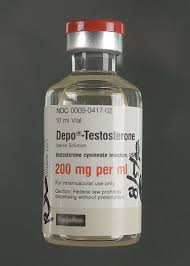
Low testosterone levels hinder your health.


low testosterone levels put men at risk for cardiovascular disease, diabetes and early death?? One study shows that testosterone treatment reduces LDL cholesterol and increases HDL cholesterol.? Another study that looked at the cause of death in almost 2000 men aged 20 to 79 years.? The men with low testosterone at the start of the study had a 2.5 times greater risk of dying during the next ten years compared with men with higher testosterone levels.? These studies, and more, will be presented at The Endocrine Society’s annual meeting, in San Francisco, suggest that testosterone therapy has several positive effects.
(Vitacost.com Daily Health Tip; June, 2008)

« Older posts Newer posts »