Category: General fitness (Page 5 of 15)

CrossFit: The training, the games, the BS

What is CrossFit (CF)? In a nut shell it’s performing movements and or exercises under time that are continuously varied from workout to workout. Started in the mid 1990’s, this training system does have value in improving ones fitness level, but the claims made on the CrossFit website are unsubstantiated and untenable.

CF’s upside according to its proponents is being a total-body conditioning workout that is purposefully varied, which inhibits boredom. I think it’s a home run for fitness enthusiasts because the workouts are challenging and competitive. CF’s inherent difficulty, notice I said difficulty not intensity, also benefits the average person because most people do not train hard enough to elicit any measurable result.

Read more: CrossFit

How to Choose the Best Wellness Center

A wellness center is a facility whose primary goals are to promote healthy living in order to prevent disease and illness. These centers are typically run and staffed by a group of physicians, but in some cases, they are staffed by specialists such as acupuncturists, massage therapists, chiropractors, nutritionists, and fitness experts.

Wellness centers can be found in a variety of settings from college campuses and hospitals to strip malls. Many corporations contract with wellness centers to provide programs for employees (called corporate wellness programs), and there are also specific programs for seniors, moms-to-be, and children. So the first step in choosing the best wellness center is to determine the type of program you’re looking for. Next, determine your goals, then choose which wellness services you think might help you reach your goals.

If you are not part of a corporate program or any of the groups listed above, you’ll still find plenty of individual programs at just about every wellness center. After you have determined your goals (stress relief, pain relief, fitness, prevention, etc.), seek out centers that address these issues. The types of wellness services offered is not the only factor you should consider. The best wellness centers have a number of things in common including:

-Focus is on patient health
-Active in contributing to the rebirth of health care
-Seek to successfully unite health maintenance, disease prevention and the treatment of acute and chronic conditions through both conventional and the alternative healing arts
-Offer patients a comprehensive treatment regimen
-Provide the best medical advice
-Have multidisciplinary centers offering medical doctors, doctors of chiropractic, physical/occupational therapists, massage therapists and other professionals who work together as a dedicated team to reach an accurate diagnosis
-Have doctors and specialists skilled at designing treatment plans tailored to each individual patient
-Offer cost effective and time saving integrated health care
-Offer a “whole body” healing approach
-Share the philosophy of caring and concern for their patients that provides for a mutual pleasant experience
-Offer convenient hours, ample parking, and little to no waiting
-Employ physicians and staff that make continuing education a priority in order to stay abreast of new developments in patient care
-Keep patients informed of their conditions as well as short and long-term goals

Finding the best wellness center in your city or town will take some work, but in the end you’ll find a center that you feel comfortable with and one that has your best interests and wellness in mind. The best place to begin your search is online. It’s possible to find a local wellness center directory, but directories such as these do not list all of the centers in your area. Many of the wellness centers in the directory pay a fee to have their names listed.

When searching for wellness centers in your area, all you have to do is enter “your city + wellness center” into any search engine. Next, choose 5-10 wellness centers and browse through their websites to find out about services, pricing, and credentials. You can also try typing the name of the center into a review site such as Yelp.com to see what real customers/patients have to say about it.

Many wellness centers offer a free consultation. During this meeting, you can ask any questions that concern you, take a tour of the center, gather additional literature about the staff and services, and examine any credentials that are on display. Keep in mind that professional wellness centers will have this information on display in examining rooms, offices, and studio areas.

If you want to dig a little deeper, check with the Better Business Bureau (BBB) or the Federal Trade Commission (FTC) as many wellness centers operate as private practices.

Yogilates, The Yoga Hybrid with Staying Power

Back in 1997, when Yogilates was created by certified Pilates instructor and Vinyasa yoga practitioner Jonathan Urla, no one thought this yoga hybrid would stick. After all, hybrids like disco yoga, ballet yoga, and soul yoga faded away just as quickly as they exploded onto the scene. Well, Yogilates is still standing, nearly 15 years after its inception, with a sizable number of devotees and a dedicated website selling everything from DVDs and exercise gear to eco bottles and books. It’s safe to say that this is one yoga hybrid that’s here to stay.

Yogilates combines moves from Pilates and yoga to create a challenging workout that strengthens and tones the muscles, exercises the heart, and relaxes the mind. According to the official Yogilates website, this hybrid is designed as a unique style of yoga that “integrates the core strengthening and alignment principles of Pilates with the practice of hatha yoga” – a 5,000-year old discipline. As a result, Yogilates gives practitioners “more rapid and balanced development of their bodies than when either discipline is performed separately.”

A typical Yogilates session begins on the floor. Participants prepare for practice through breath and alignment awareness, followed by a warm-up that integrates “the core strengthening and spine lengthening of Pilates matwork with hatha yoga breathwork and essential poses.”

Through a series of smooth transitions from one exercise to the next, participants eventually move from the floor and into Sun Salutations (a series of 12 yoga poses) and a Vinyasa yoga flow. As the session progresses, the poses become more and more challenging before ending with restorative poses and relaxation called Shavasana.

Yogilates has a number benefits including:

  • Combines the most effective parts of yoga and Pilates for a challenging and invigorating workout
  • Improves flexibility of the spine, posture, breathing, and alignment
  • Improves performance in all activities from sports to everyday tasks
  • Helps to develop coordination and concentration
  • Helps achieve weight loss goals
  • Relieves stress
  • Reduces risk of injury
  • Helps sharpen the mental and physical skills needed to achieve peak performance
  • Safe for all ages and exercise backgrounds
  • An additional benefit of Yogilates is it can be practiced in a studio or at home. It is possible to find Yogilates classes at a health club, but you are more likely to find quality Yogilates classes at a yoga or Pilates studio. To safely and comfortably practice Yogilates at home, you should purchase a yoga mat and comfortable exercise gear made of breathable and non-irritating fabrics. You should also make sure that you are well-hydrated before and after practicing.

    Where to Find Yogilates DVDs

    You may purchase one of three Yogilates DVDs produced by Jonathan Urla online at www.yogilates.com. You can also view or purchase other Yogilates videos by visiting Amazon.com or Youtube.

    Choosing a Massage Therapist

    Each state has its own licensing requirements for massage therapists, so the first thing to consider when seeking the services of a massage therapist is license & credentials. In order to practice massage therapy in most states, the massage therapist must have a license obtained from the state’s massage therapy board. In other states, such as Wyoming, there are no state requirements, but license requirements exist within the different municipalities.

    Before booking your first appointment, all you have to do is check your state licensing board website to verify a license. To verify the validity of a massage therapist’s license, you will need the therapist’s certificate number, city of residence, and first and last name. To locate your state board of massage therapy website, visit The Massage Register. The Massage Register lists massage therapy requirements by state and direct links to state boards.

    If you have made it to the license verification point in the selection process, chances are you are already pretty sure of the type of massage you are interested in, whether you prefer a male or female, and how much you want to spend. If not, the information to follow will be very useful. Besides choosing whether you prefer a male or females, knowing what type of massage you’re interested in will help narrow your choices.

    There are a number of specialty areas in the massage therapy industry. Some massage therapists may be certified in several specialty areas, while others may be certified in just one. Just a few of the most popular specialty areas include:

    ·Swedish Massage
    ·Aromatherapy Massage
    ·Deep Tissue Massage
    ·Hot Stone Massage
    ·Thai Massage
    ·Shiatsu
    ·Back Massage
    ·Sports Massage
    ·Reflexology
    ·Prenatal Massage

    If you’re interested in both Swedish and hot stone massage, choose a massage therapist that’s licensed in your state and certified in both areas. If you’re interested in sports massage only, choose a massage therapist that’s licensed in your state and certified in sports massage. To verify certification, ask the therapist for the name of the school or program that awarded the certificate to make sure the program it is accredited. If the massage therapist works in a professional setting, you might not have to ask. The therapist will likely have a license and certificate(s) on displat, in plain view.

    Next, contact the school or program to verify accreditation and certification. Most programs are more than willing to verify credentials and accreditation status. The accrediting agencies for massage therapy schools and programs are as follows:

    Accrediting Bureau of Health Education Schools (ABHES)
    Website: www.abhes.org

    Accrediting Council for Continuing Education & Training (ACCET)
    Website: www.accet.org

    Accrediting Commission for Career Schools & Colleges of Technology (ACCSCT)
    Website: www.accsct.org

    Accrediting Council of Independent Colleges & Schools (ACICS)
    Website: www.acics.org

    Council on Occupational Education (COE)
    Website: www.council.org

    Commission on Massage Training Accreditation (COMTA)
    Website: www.comta.org

    Distance Education & Training Council (DETC)
    Website: www.detc.org

    North Central Association of Colleges & Schools (NCACAS)
    Website: www.ncacasi.org

    Ministry of Advanced Education and Labour Market Development
    Website: www.gov.bc.ca/aved

    Department of Education
    Website: www.education.gov.yk.ca

    When it comes to pricing, you will find that rates vary greatly depending on geographic location (small or large city, suburbs), setting (spa, resort, hotel, wellness center, private studio), experience, and type of massage. For example, in a large city, the cost for Swedish massage may start at around $90-$100 for one hour. A day spa in a small city may start at around $75 for an hour.

    Resorts typically start at around $105 for a fifty-minute Swedish massage, while a luxury hotel, such as Trump International Hotel & Tower in Chicago, may charge $150 for a classic 60-minute massage. Specialty massages, regardless of setting and other factors, always cost more. Expect to pay roughly $50 (or more), above the cost of a Swedish massage for a hot stone massage, sports massage, Thai massage, or other specialty massage.

    One final piece of advice when choosing a massage therapist. It is important that you are comfortable with your therapist or the experience can be unpleasant. An initial consultation is highly recommended. If you feel comfortable with the therapist after the consultation, but during the session you begin to feel any discomfort, please let the therapist know right away. Fortunately, most professional therapists will ask for feedback during the session in an effort to make you feel as comfortable as possible.

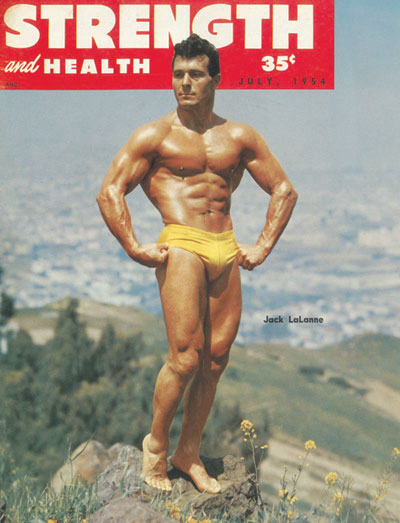
    Jack LaLanne dies at 96

    Jack LaLanne, (September 26, 1914 – January 23, 2011) was an American fitness, exercise, and nutritional Icon and motivational speaker who many referred to as “the godfather of fitness” and the “first fitness guru.”

    “The crusade is never off my mind — the exercise I do, the food I eat, the thought I think — all this and how I can help make my profession better-respected. To me, this one thing — physical culture and nutrition — is the salvation of America.”

    “Well it is. It is a religion with me,” he told What Is Enlightenment, a magazine dedicated to awareness, in 1999. “It’s a way of life. A religion is a way of life, isn’t it?”

    (Jack LaLanne’s accomplishments as reported by his website)

    * 1954 (age 40): swam the entire length (8,981 ft/1.7 mi) of the Golden Gate Bridge in San Francisco, under water, with 140 pounds (64 kg; 10 st) of equipment strapped to his body; a world record.
    * 1955 (age 41): swam from Alcatraz Island to Fisherman’s Wharf in San Francisco while handcuffed. When interviewed afterwards he was quoted as saying that the worst thing about the ordeal was being handcuffed, which significantly reduced his chance to do a jumping jack.
    * 1956 (age 42): set a world record of 1,033 push-ups in 23 minutes on You Asked For It,[22] a television program hosted by Art Baker.
    * 1957 (age 43): swam the Golden Gate channel while towing a 2,500-pound (1,100 kg; 180 st) cabin cruiser. The swift ocean currents turned this one-mile (1.6 km) swim into a swimming distance of 6.5 miles (10.5 km).
    * 1958 (age 44): maneuvered a paddleboard nonstop from Farallon Islands to the San Francisco shore. The 30-mile (48 km) trip took 9.5 hours.
    * 1959 (age 45): did 1,000 star jumps and 1,000 chin-ups in 1 hour, 22 minutes and The Jack LaLanne Show went nationwide.
    * 1974 (age 60): For the second time, he swam from Alcatraz Island to Fisherman’s Wharf. Again, he was handcuffed, but this time he was also shackled and towed a 1,000-pound (450 kg; 71 st) boat.
    * 1975 (age 61): Repeating his performance of 21 years earlier, he again swam the entire length of the Golden Gate Bridge, underwater and handcuffed, but this time he was shackled and towed a 1,000-pound (450 kg; 71 st) boat.
    * 1976 (age 62): To commemorate the “Spirit of ’76”, United States Bicentennial, he swam one mile (1.6 km) in Long Beach Harbor. He was handcuffed and shackled, and he towed 13 boats (representing the 13 original colonies) containing 76 people.[23]
    * 1979 (age 65): towed 65 boats in Lake Ashinoko, near Tokyo, Japan. He was handcuffed and shackled, and the boats were filled with 6,500 pounds (2,900 kg; 460 st) of Louisiana Pacific wood pulp.[24]
    * 1980 (age 66): towed 10 boats in North Miami, Florida. The boats carried 77 people, and he towed them for over one mile (1.6 km) in less than one hour.
    * 1984 (age 70): handcuffed, shackled, and fighting strong winds and currents, towed 70 rowboats, one with several guests, from the Queen’s Way Bridge in the Long Beach Harbor to the Queen Mary, 1 mile.[25]

    « Older posts Newer posts »