
Author: Mike Furci (Page 32 of 65)

Partial reps are equal to full range of motion reps.

Most experts have long held that partial repetitions provide no benefit to the serious weightlifter. This was not the finding of a study done at the University of Southern Mississippi compared using partial range of motion (ROM) repetitions and full ROM repetitions in the development of strength in untrained males. As far as the development of maximal strength was concerned, partial and mixed repetitions were found to be equally as effective as full repetitions.

This study was conducted over 10 weeks and used the bench press as criterion for measurement. Fifty six subjects were divided into three groups: the first group used three full ROM sets; the second group used three partial ROM sets; the third group used a combination. The researchers found no differences between the three groups. However, they do point out that this study does suggest partial reps can be a benefit to a person?s maximal strength. (J strength Cond Res 18(3), 518-521, 2004)

Does this mean partial reps should be the major component of a strength training routine? Absolutely not. As with all studies concerning progressive resistance training, there were too few subjects, and the length of time involved was too short in duration. However, this study does find support in using partial reps in addition to a traditional strength training program. This is especially true for power lifters and other athletes who need to ?lock a weight out? at the top portion of the lift.
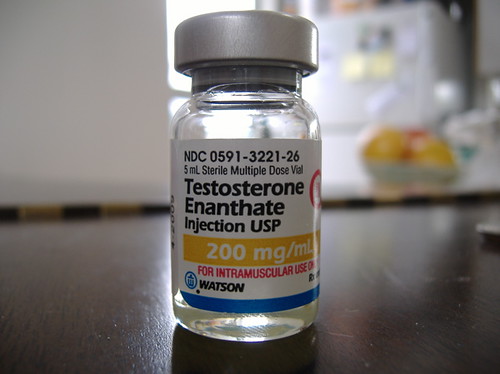

Testosterone protects against heart disease

Low testosterone levels are associated with a greater risk of heart attacks, diabetes, abdominal fat deposition and abnormal blood lipid levels. Cytokins, which cause inflammation in the arteries, are the latest suspected cause of heart disease. British researchers suggest testosterone suppresses cytokins and also boosts the immune system, thereby preventing heart disease. (J Endocrinol, 178: 373-380, 2003)

High Blood Pressure and Memory

High blood pressure is defined as a reading equal to or higher than 140/90 or taking medication for high blood pressure. According to research published in the Aug. 25 print issue of Neurology; high blood pressure is linked to memory problems in people over 45.

The study found that people with high diastolic blood pressure, which is the bottom number of a blood pressure reading, were more likely to have cognitive impairment, or problems with their memory and thinking skills, than people with normal diastolic readings.

For every 10 point increase in the reading, a person?s risk for cognitive problems was 7 percent higher. The results were adjusting for other factors that could affect cognitive abilities like age, smoking status, exercise level, education, diabetes, or high cholesterol.

The study involved nearly 20,000 people 45 and older across the country that participated in the Reasons for Geographic and Racial Differences in Stroke Study and had never had a stroke or mini-stroke. A total of 1,505 of the participants, or 7.6 percent, had cognitive problems, and 9,844, or 49.6 percent, were taking medication for high blood pressure.

“It’s possible that by preventing or treating high blood pressure, we could potentially prevent cognitive impairment, which can be a precursor to dementia,” said Dr. Georgios Tsivgoulis of the University of Alabama at Birmingham, one of the study authors.

Newsmax.com Health Alerts 10/25/09

Creatine, the oldest health care in the world, more Vitamin D, 4 things for your health

I this installment of Did you know… I cover an array of topics beginning with the following:

Did you know…

…creatine is perhaps the most researched supplement on the planet? Yet new data on the benefits of supplementing with this incredible substance is still mounting. Canadian researchers compared the changes in insulin-like growth factor-1 (IGF-1) amounts in two groups of subjects. All the subjects performed at least 30 minutes of structured physical activity three to five times per week for eight weeks. The subjects were randomly assigned to one of two groups: one supplementing with creatine, the other, an isocaloric placeo. Muscle biopsies were taken before and after the training period and analyzed for IGF-1 content. The creatine group had a 24% higher level of IGF-1. The creatine group also had a 23% higher increase in type II muscle fibers. These findings were independent of dietary guidelines. (Int J Sport Nutr Exerc Metab, 2008; 18(4))

What does this mean for the average Joe? It means if you supplement with creatine, you?ll not only get the well known ?volumizing? effect, but more muscle fibers.

Houseplants for indoor air pollution

The EPA says that indoor air pollution can be up to ten times as bad as what;s outside. There are many who claim having plants indoors can help. Plants do release oxygen and can help maintain moister levels. Plants are also said to help ones attitude, especially during the winter when we’re all cooped up.

NASA has shown that plants do enhance the air quality in a space craft, but does this translate to real “down to Earth” results. Proving that plants are efficient filters has been a real challenge, but the overwhelming evidence suggests that it can help. So what plants are the best at increasing the air quality in your house? Here is a list of 10 from thenewecologist.com

1. The Feston Rose plant
2. The Devil’s ivy
3. Phalaenopsis
4. The English ivy
5. The Parlor ivy
6. The African Violets
7. The Christmas Cactus
8. The Yellow Goodness
9. The Garlic vine
10. The Peace Lilly

« Older posts Newer posts »