Tag: Sugar (Page 2 of 2)

The fattest countries

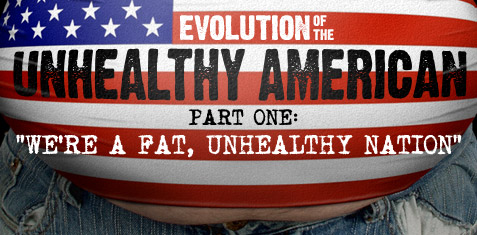
“Behold: the world’s 10 fattest countries” a recent article published on the GlobalPost, discusses the world-wide rise in obesity and ranks the top 10 fattest countries. Although the author mentions processed food and inactivity as the causes of obesity, she fails to go into detail. I do not feel an article on the obesity epidemic is doing justice by not mentioning sugar, in particular high fructose corn syrup, or vegetable oils. These two foods, and I use the term “foods” loosely, Are increasing in use around the world as they have in the US. Vegetable oil consumption in the US, including hydrogenated oils, has increased 437%. (1) Sugar consumption went from 5 pounds per year in 1900 to 163 pounds per year today. From 1970 to the present, fructose and vegetable oil consumption have increased over four fold.(2) During this same time saturated fat has decreased over 20%.

Because we’ve decreased saturated fat consumption and increasing vegetable oil and carbohydrate consumption like the “experts” at the AMA and the ADA (American Dietetics Association) have advised for decades, you’s think we’d be getting healthier. However, we in the US are getting fatter and more unhealthy and are taking the world with us.

1. America Samoa 93.5% – percent of population that is overweight
2. Kiribati 81.5%
3. U.S. 66.7%
4. Germany 66.5%
5. Egypt 66%
6. Bosnia-Herzegovina 62.9%
7. New Zealand 62.7%
8. Isreal 61.9%
9. Croatia 61.4%
10. United Kingdom 61%

Deceptive fructose ads.

Fructose is found in everything from soda to cereal. It?s literally in thousands of products. The ?fat carb? has been in our food supply for more 35 years. We?ve been led to believe that fructose from high fructose corn syrup (HFCS) is akin to naturally occurring sugar,

Recently ads hyping high fructose corn syrup (HFCS) for its similarities to sugar are hitting the airwaves. This is part of a major marketing campaign from the Corn Refiners Association meant to combat the bad rap that HFCS has gotten in the past years.

To get that message out, the campaign relies on nutritional research. But CBS News has learned that funding for many of the major studies came from companies with a financial stake in the outcome.

Of the six studies CBS News looked at on the association?s Web site that ?Confirm High Fructose Corn Syrup is No Different From Sugar,? three were sponsored by groups that stand to profit from research that promotes HFCS. Two were never published so their funding sources are unclear. And one was sponsored by a Dutch foundation that represents the interests of the sugar industry.

Pepsi funded one study, so did a D.C. based lobbying group that gets their money from food, chemical and drug companies. And the American Beverage Association gave a grant for another.

One researcher who was involved in three of the studies, Dr. James M. Rippe, a cardiologist and founder of the Rippe Lifestyle Institute says there is no link between HFCS and obesity and calls contrary evidence ?accusations? and ?speculation.? Rippe?s ties with industry are no secret.

Russ Bianchi, a pharmacologist and toxicologist, explains: ?There is no safe form of fructose available from any source, unless already existing in an unprocessed apple or other piece of fruit. The science is known and epidemiologically proven.? For more HFCS facts Click HERE.

Good Calories, Bad Calories By Gary Taubes

For decades we have been taught that fat is bad for us, carbohydrates are good, and that the key to a healthy weight is eating less and exercising more. Yet with more and more people acting on this advice, we have seen unprecedented epidemics of obesity and diabetes. With seven years of research, Taubes argues persuasively that the problem lies in refined carbohydrates (white flour, sugar, easily digested starches) ?via their dramatic effect on insulin, the hormone that regulates fat accumulation?and that the key to good health is the kind of calories we take in, not the numbers. There are good calories, and bad ones. Taubes traces how the common assumption that carbohydrates are fattening was abandoned in the 1960’s when fat and cholesterol were blamed for heart disease and then?wrongly?were seen as the causes of a host of other maladies, including cancer. He shows us how these unproven hypotheses were emphatically embraced by authorities in nutrition, public health, and clinical medicine, in spite of how well-conceived clinical trials have consistently refuted them. He also documents the dietary trials of carbohydrate-restriction, which consistently show that the fewer carbohydrates we consume, the leaner we will be.

Good Calories Bad Calories is the end of the debate about the foods we consume and their effects on us.

Common ingredients that add major calories to your meals

SteakMen’s Fitness.com posted an interesting article about common ingredients in meals that surprisingly come jammed-packed with calories.

DROWNING FOOD IN OIL
Yes, it’s heart healthy, but also high in calories. Sautéed vegetables only need to be misted with oil—not swimming in it. Buy an empty spray bottle and fill it with olive oil. Then spray your food and the pan lightly before cooking.

USING REAL SUGAR
Switch to artificial sweeteners; some of them can even be used for baking. If you can’t stand the aftertaste, try combining two different sweeteners—this blending helps impart more sweetness and less artificial taste, says Stokes.

COOKING TOO MUCH MEAT
No substitute can emulate the taste of a steak, but if you’re making a meal like chili or tacos, swap some of the ground beef for less fatty soy crumbles or tofu, suggests Stokes. Not a fan of soy? Try mixing ground beef with black beans, diced cherries, or any other fresh vegetable or fruit.

USING FULL-FAT CHEESE
Not even our expert would touch the fat-free stuff, but Stokes does recommend switching to a reduced-fat version. “It adds flavor, melts well, and retains the normal properties of cheese,” he says. Cabot light cheddar, for one, tastes almost identical to the full-fat stuff.

Oil is an interesting note. We all hear about how Olive Oil is great for you, but over-doing it obviously has its disadvantages.

Newer posts »