Category: Xternal Furci (Page 37 of 42)

Good Calories, Bad Calories By Gary Taubes

For decades we have been taught that fat is bad for us, carbohydrates are good, and that the key to a healthy weight is eating less and exercising more. Yet with more and more people acting on this advice, we have seen unprecedented epidemics of obesity and diabetes. With seven years of research, Taubes argues persuasively that the problem lies in refined carbohydrates (white flour, sugar, easily digested starches) ?via their dramatic effect on insulin, the hormone that regulates fat accumulation?and that the key to good health is the kind of calories we take in, not the numbers. There are good calories, and bad ones. Taubes traces how the common assumption that carbohydrates are fattening was abandoned in the 1960’s when fat and cholesterol were blamed for heart disease and then?wrongly?were seen as the causes of a host of other maladies, including cancer. He shows us how these unproven hypotheses were emphatically embraced by authorities in nutrition, public health, and clinical medicine, in spite of how well-conceived clinical trials have consistently refuted them. He also documents the dietary trials of carbohydrate-restriction, which consistently show that the fewer carbohydrates we consume, the leaner we will be.

Good Calories Bad Calories is the end of the debate about the foods we consume and their effects on us.
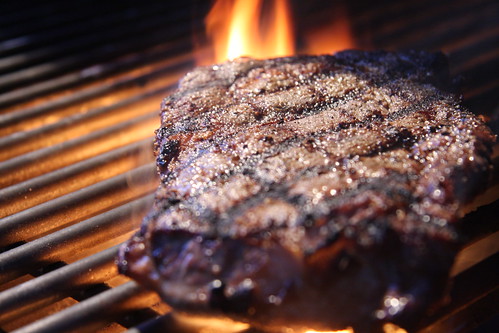
Common ingredients that add major calories to your meals

SteakMen’s Fitness.com posted an interesting article about common ingredients in meals that surprisingly come jammed-packed with calories.

DROWNING FOOD IN OIL
Yes, it’s heart healthy, but also high in calories. Sautéed vegetables only need to be misted with oil—not swimming in it. Buy an empty spray bottle and fill it with olive oil. Then spray your food and the pan lightly before cooking.

USING REAL SUGAR
Switch to artificial sweeteners; some of them can even be used for baking. If you can’t stand the aftertaste, try combining two different sweeteners—this blending helps impart more sweetness and less artificial taste, says Stokes.

COOKING TOO MUCH MEAT
No substitute can emulate the taste of a steak, but if you’re making a meal like chili or tacos, swap some of the ground beef for less fatty soy crumbles or tofu, suggests Stokes. Not a fan of soy? Try mixing ground beef with black beans, diced cherries, or any other fresh vegetable or fruit.

USING FULL-FAT CHEESE
Not even our expert would touch the fat-free stuff, but Stokes does recommend switching to a reduced-fat version. “It adds flavor, melts well, and retains the normal properties of cheese,” he says. Cabot light cheddar, for one, tastes almost identical to the full-fat stuff.

Oil is an interesting note. We all hear about how Olive Oil is great for you, but over-doing it obviously has its disadvantages.

30-Minute Ab Routine

If you’re having a hard time getting your abs to come in, make sure you’re not passing by the squat rack on your way to the exercise mat to do countless crunches. Squats and deadlifts essentially work your abs just as well (if not more) than standard crunches.

If you’re looking for a solid ab routine to supplement into your workout, try this one from Men’s Fitness.com. It’s basic and you can do it on your off days.

Surprise Muscle Foods

MensFitness.com has low down on some surprise foods that can help you build muscle. MF also fills you in on how to prep the muscle foods, as well as properly cook them.

1. CLAMS
Why they’re good for you: Clams are loaded with iron and are one of the few meats high in vitamin C — one serving contains nearly half of your recommended daily intake.
Prep: None needed. Just toss the shells on the grill.
How to cook ’em: Grill over high heat until they pop open.

2. LOBSTER
Why it’s good for you: In or out of the shell, lobster meat is significantly lower in fat than pork and beef, with a healthy dose of calcium.
Prep: While the lobster is still alive, cut it in half lengthwise, drain and reserve the juices, and brush with olive oil or butter.
How to cook it: Place the cut side down on a very hot grill for 3 minutes, then flip and pour the juice over the top; grill for another 4-5 minutes. The heat caramelizes the meat, giving it more flavor.

3. VENISON
Why it’s good for you: Deer meat has fewer calories than chicken breast and twice as much iron as beef.
Prep: Marinate in red wine or olive oil before grilling.
How to cook it: Lean meats are best cooked to medium rare, so 3 to 4 minutes per side over high heat.

4. OSTRICH
Why it’s good for you: This long-necked beast is very lean and contains a large amount of iron.
Prep: Drizzle with or marinate in olive oil. Since the meat is lean like venison, it needs added fat to stay moist.
How to cook it: Grill over high heat, allowing the meat to cook for 3 to 4 minutes per side.

5. SWORDFISH
Why it’s good for you: Besides being the ultimate sailing trophy, swordfish has virtually the same number of calories per serving as chicken or beef, and it’s loaded with heart-healthy omega-3 fats.
Prep: Brush with olive oil and top with a squirt of fresh lemon juice.
How to cook it: Just like ostrich. Grill over high heat for 3 to 4 minutes per side.

Baked Potatoes vs. Sweet Potatoes

How do baked potatoes stack up against their brothers, the sweet potatoes? Cooking light.com pits them head to head.?

Calories
6 oz. Baked: 189
6 oz. Sweet: 214

Fat Grams
6 oz. Baked: .17 grams
6 oz. Sweet: .19 grams

Fiber
6 oz. Baked: 4.2 grams
6 oz. Sweet: 7.1 grams

As the article notes, while baked potatoes have less calories and fat grams, sweet potatoes have almost three grams more of fiber and have more beta carotene, which helps build immunity and strengthen bones. Both are loaded with vitamins, but it’s important to eat the skin (especially with a baked potato) because that’s where most of the vitamins are stored.

While either baked or sweet potatoes are healthier than bread, try to reach for the sweet the next time you’re at the grocery store.

« Older posts Newer posts »